The 3 Zones Every Flexible Office Needs
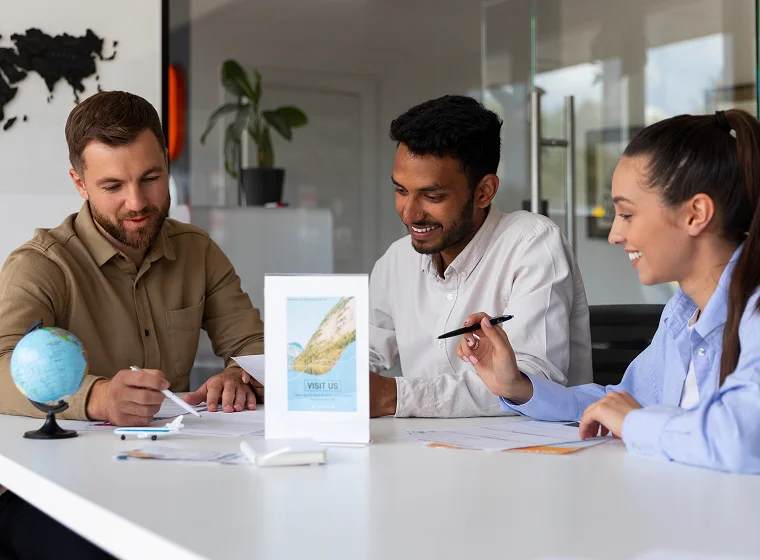
Deep Work Deserves Dedicated Space
Distraction-free environments are essential for tasks that require concentration. Focus zones should be quiet, tech-enabled, and visually minimal. Think private booths, acoustic pods, or reserved areas where employees can concentrate without interruption.
Key Features:
- Soundproof booths or acoustic panels
- Minimal design and clutter-free desks
- Personal lighting and ergonomic seating
- Booking system for reserved work slots
When people need to get things done without distractions, they need space that supports concentration. Focus zones are quiet, individual work areas that reduce sensory interruptions and signal a “do not disturb” message.
The Collaboration Zone
Teamwork thrives in spaces built for interaction. Collaboration zones are flexible meeting areas, open-plan lounges, or high-top tables where brainstorming happens naturally. They should include writable surfaces, movable seating, and hybrid meeting tech to connect in-office and remote teams.
Productivity Includes Pause
Well-being and performance are deeply connected. Recharge zones — like cafés, lounge areas, or quiet corners — give employees a place to reset. These aren’t “wasted” spaces; they encourage creativity, social bonding, and mental restoration.
The Office as a Strategic Asset
Whether you’re designing a new office or retrofitting a current one, balancing these three zones helps create a workspace that supports real productivity. The modern office is no longer one-size-fits-all — it’s a tool that adapts to the needs of your people.
Recharge Zones: Where People Re-Energize
In high-performing workspaces, rest is part of the rhythm. Recharge zones allow employees to reset mentally, emotionally, and socially — which in turn boosts creativity and prevents burnout.
Common Recharge Areas:
- Wellness lounges or nap pods
- Breakout spaces with soft seating
- Onsite cafés or quiet corners
- Outdoor terraces or biophilic nooks
Why it matters:
- 1 in 3 employees report being more creative after taking breaks
- Casual social interaction builds team trust
- Encourages work-life balance in-office
Conclusion: Design the Day, Not Just the Desk
Modern work isn’t static — it flows between focus, interaction, and rest. Offices that reflect these needs empower employees to do their best work, in their best state.
Takeaway Tips for Workplace Leaders:
- Map out your current space and identify missing zones
- Survey your team on how they use different types of spaces
- Start small — even subtle layout tweaks can make a huge difference
Zoning in Practice: Real-World Examples
Creating zones isn’t just theory — top companies are already implementing these concepts in bold, practical ways.
Google:
Their offices feature silent libraries for deep work, modular pod clusters for collaboration, and nature-inspired recharge gardens.
Spotify’s:
Spotify’s “neighborhood” model groups employees by team, with access to shared creative and wellness spaces across the floor.
A workplacesummit Case:
One client restructured a 5,000 sq ft open office to include four micro-zones — boosting staff satisfaction scores by 22%.
How to Get Started: Zoning Checklist
Modern work isn’t static — it flows between focus, interaction, and rest. Offices that reflect these needs empower employees to do their best work, in their best state.
Takeaway Tips for Workplace Leaders:
- Map out your current space and identify missing zones
- Survey your team on how they use different types of spaces
- Start small — even subtle layout tweaks can make a huge difference
Join Our News Letter
Be the first to explore workplace trends, future-ready strategies, and insights shaping the way we work. Delivered monthly — straight to your inbox.
YOUR INFORMATION IS KEPT PRIVATE AND NEVER SHARED

Stay Ahead in the Future of Work
Join our newsletter to receive expert insights, trends, and practical tips — straight to your inbox each month.
Quick Links
Home
About
Blog
Contact
Policies
Terms Of Service
Privacy Policy
Cookie Policy
© 2025 All Rights Reserved | Workplacesummit